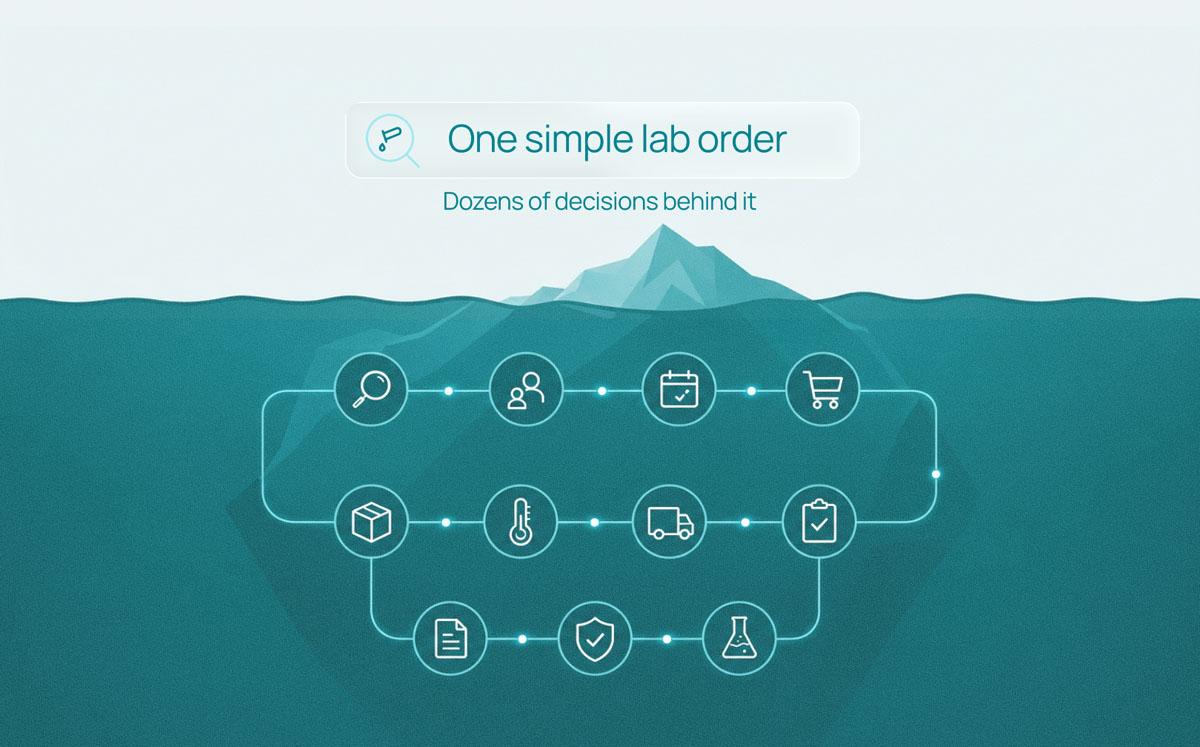
The Lab Procurement Guide for Research and R&D Labs
Learn how to optimize lab procurement as part of a robust inventory management regime and how SciSure helps you streamline lab ops.

Download Whitepaper
TL;DR
Lab procurement is the process of sourcing, ordering, and replenishing the materials a lab runs on, and it works best when ordering data connects to inventory data.
- The visibility gap costs money.
Most labs know what they ordered. Far fewer know where it is, what condition it's in, or when it expires. That gap produces duplicate orders, expired reagents, and disposal fees on bulk purchases that were supposed to save money.
- Ordering delays slow science.
ZAGENO's survey of biotech and pharma R&D staff found 67% would not recommend their current lab supply ordering process, and close to nine in ten researchers had experiments delayed by backorders.
- Supply volatility is now structural.
2025 US tariffs on imported reagents, plastics, and instrument components have changed cost-per-test math, and geopolitical risk now ranks among the top concerns for life science leaders heading into 2026.
- Inventory systems do the heavy lifting.
SciSure's LIMS supports a product catalog, threshold-driven shopping lists, expiration tracking, and automated alerts, so reordering starts from your actual stock record instead of someone's memory.
- Three teams, one decision.
Procurement, lab operations, and EHS each hold part of the picture. Bringing them together before the order goes in is cheaper than fixing it afterward.
Originally published in 2024, this post was updated in 2026 with current supply chain research, new procurement survey data, and SciSure product detail.
Ready to see SciSure in action?
No commitment · Free consultation
Picture the scene: you have your assay all set up and ready to proceed, but when it's time to add the final reagent, it's nowhere to be found. Poor procurement practices have left you in a tight spot. Time to rethink your process.
That scene is more common than it should be. In a survey of scientists, lab operations staff, and procurement professionals across biotech and pharma R&D, ZAGENO found that 67% would not recommend their current lab supply ordering process, and close to nine in ten researchers had experienced experiment delays caused by backorders.
Procurement sits upstream of almost everything else in the lab. What gets ordered decides what a scientist can run this week, what has to be stored and for how long, and what eventually shows up in your regulatory reports. That's why effective procurement is a critical part of good laboratory inventory management.
This guide covers what lab procurement involves, where it commonly breaks down, and how inventory management in SciSure supports the ordering side of the job. In this blog, we'll highlight:
- What is lab procurement?
- Why is efficient lab procurement essential?
- Common challenges in lab procurement
- Value of inventory management systems for lab procurement
- Top tips for optimizing lab procurement
What is lab procurement?
Lab procurement encompasses the activities involved in ordering, purchasing, and replenishing inventory within a laboratory setting. This includes sourcing high-quality materials and specialized equipment, managing relationships with a diverse array of vendors, and ensuring that the lab is always stocked with the necessary supplies to maintain uninterrupted operations and facilitate ground-breaking research.
Get it right and researchers have what they need when they need it. Get it wrong and you're looking at delayed experiments, budget overruns, and materials that arrive without the safety documentation your compliance team needs. Procurement is also where inventory management begins. Every order eventually becomes a container on a shelf that someone has to find, use, and dispose of.
Why is efficient lab procurement essential?
Efficient lab procurement is fundamental to the success and sustainability of laboratory operations. Here's why:
Operational efficiency
Efficient procurement processes are crucial for maintaining operational continuity. For example, a research lab that uses a streamlined procurement system can quickly reorder essential reagents before they run out, ensuring that experiments are not delayed due to missing supplies.
Cost management
Effective procurement processes help laboratories manage costs more efficiently. This enables the lab to allocate resources to other critical areas, such as new research initiatives or advanced equipment purchases.
Compliance and quality
Maintaining high standards of quality and compliance is non-negotiable in laboratory settings. Effective procurement ensures that only certified, high-quality materials are purchased, supporting the lab's commitment to excellence.
Time savings
Streamlined procurement processes reduce the time spent on sourcing and purchasing materials. For example, using an automated procurement system that integrates with inventory management software can significantly cut down the time lab staff spend on administrative tasks. This allows them to focus more on their research, leading to increased productivity and faster project completion.
Supplier relationships
Developing strong relationships with reliable suppliers through efficient procurement practices can lead to better pricing, prioritized service, and access to exclusive products. For instance, a lab that has a long-term partnership with a chemical supplier might receive priority shipping and bulk discounts.
Supply chain resilience
Supply volatility has gone from occasional to constant. Lab Manager reports that 2025 US tariffs on imported plastics, reagents, PPE, and instrument components have pushed procurement costs up and changed cost-per-test calculations for labs working to fixed budgets. Deloitte's global survey of biopharma and medtech executives found 39% naming geopolitical tension as a top concern, with 38% pointing to inflation and supply chain risk.
Labs that map where they're exposed, keep a second qualified supplier for critical items, and know their real consumption rates absorb these shocks better than labs that reorder out of habit.
Common challenges in lab procurement
While efficient procurement practices offer numerous benefits, laboratories often face several challenges in achieving and maintaining these efficiencies. Navigating these obstacles is crucial to ensure the smooth operation of lab activities and sustained progress in research and diagnostics:
Manual processes
Traditional procurement methods often rely on manual processes, which can be time-consuming and prone to errors. Manually tracking inventory and placing orders can lead to inaccuracies and inefficiencies. These manual tasks also consume significant labor resources, diverting staff from more critical and value-adding activities. The added risk of human error can result in delays and mismanagement, ultimately affecting the lab's productivity and service quality.
Lack of real-time data
Most labs can tell you what they ordered, but far fewer can tell you where it is, what condition it's in, or when it expires. That gap is where the money goes: duplicate orders because nobody could find the first one, reagents that expire in a fridge, and disposal fees on bulk purchases that looked like savings on the quote.
It also eats time. ZAGENO's survey put the average at six hours a week per lab professional just chasing order status, rising to around 22 hours for procurement staff.
Vendor management
Managing relationships with multiple vendors and ensuring timely delivery of materials can be complex and demanding. Labs must coordinate with various suppliers to meet their diverse needs, ranging from scientific reagents to specialized equipment. This requires meticulous planning and organization to prevent delays and ensure that the quality and specifications of the materials meet the lab's standards. Effective vendor management also involves negotiating favorable terms and maintaining good relationships to secure reliable supply chains.
Disconnected systems
Ordering happens in one system, inventory in another, and chemical safety records in a third. Every handoff between them is a manual transcription step, and every manual step is a place where data goes stale. Learn more on our guide to how fragmented lab systems increase organizational risk.
Cost control
Effective cost control is essential in lab procurement. Balancing budgets while ensuring that all necessary supplies are available requires careful planning and monitoring. Labs must implement strategies to minimize costs without compromising on quality, which involves constant evaluation of procurement practices, seeking competitive pricing, and leveraging bulk purchasing where feasible. Ongoing cost analysis and budget adjustments are necessary to maintain financial health while supporting the lab's operational needs and goals.
The value of inventory management systems for lab procurement
Digital inventory systems close the gap between what was ordered and what's actually on the shelf. Here's what that looks like in SciSure.
Ordering built into your inventory
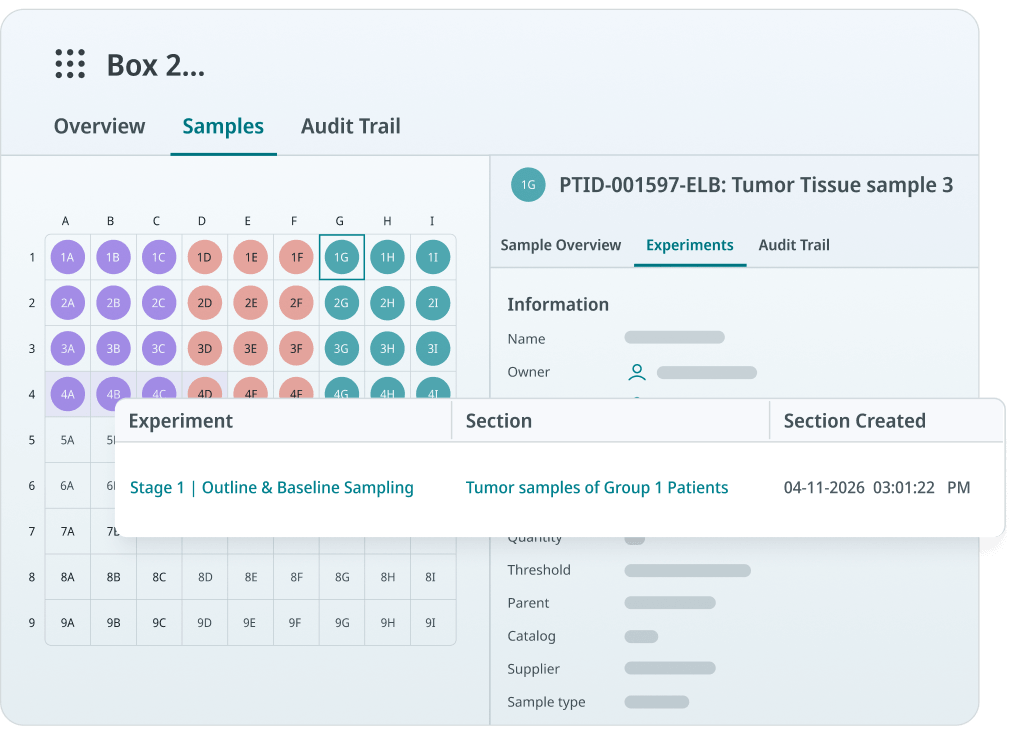
SciSure's LIMS supports a product catalog, links between catalog products and the samples or reagents you track, and a shopping list that fills as stock runs low. Reordering starts from your real inventory record instead of someone's memory.
Quantity thresholds that do something
Set a threshold on a sample or reagent and SciSure can notify the owner, add the linked catalog item to the shopping list, or both.
Expiration tracking
Storage and expiration dates drive warnings, searches, reports, and scheduled reminders, so short-dated material gets used or flagged before it turns into waste.
Triggers and automations
Event-based and time-based rules can send an email, create a task, or post to another system via webhook. Teams use this to route stock alerts into Slack, Teams, or an internal ordering workflow. Available options depend on your configuration and enabled add-ons.
Barcodes and search
Barcode scanning, label printer support, and search across sample type, location, expiration, and custom fields cut down the time spent working out whether you already own something. Our guides to lab sample management and what to look for in a sample management platform go deeper on the tracking side.
For chemicals specifically, SciSure Health & Safety (only available in North America) tracks inventory at the container level, with hazard and regulatory data drawn from a central chemical database, SDS auto-match against container records, and reporting for fire code and maximum allowable quantity (MAQ) limits, Tier II and right-to-know style outputs, and NFPA summaries where configured.

Those reports support your review rather than replacing sign-off from your local authority having jurisdiction. If you're comparing options, our post on features to look for in chemical inventory software covers the criteria that matter.
Top tips for optimizing lab procurement
Implementing digital solutions in lab procurement streamlines operations and enhances efficiency and cost-effectiveness. These tools can transform supply and procurement from ordering to budget tracking. Here are our top tips to help you optimize your lab's procurement through digital lab solutions:
1. Assess your lab's procurement needs
Evaluate the specific procurement needs of your lab. Understand what supplies are critical to your operations, the frequency of reorders and any unique requirements your lab may have. Create a detailed inventory list that includes all necessary equipment, chemicals and consumables. Prioritize items based on their importance to avoid disruptions in your workflow.
2. Choose the right digital tools
Select digital procurement solutions that best meet your lab's needs. Consider factors such as ease of use, integration capabilities, cost, customer support and the specific features offered by the tool. Look for solutions that provide real-time tracking, automated reordering and reporting capabilities. Compare different tools through demos and trials before making a decision to ensure they align with your lab's needs.
If you're not sure which category of system you actually need, our guide to comparing ELN, LIMS, EHS, and Scientific Management Platforms breaks down what each one does.
3. Establish strong supplier relationships
Build and maintain strong relationships with suppliers to secure better terms, ensure reliability and foster collaboration. Regularly communicate with suppliers to stay updated on new products, potential issues, and opportunities for joint improvement. Negotiate favorable terms, such as bulk discounts and extended payment periods, to manage costs effectively. Establish a reliable network of suppliers to mitigate risks associated with supply chain disruptions.
4. Stay on top of your budget
Keep a close eye on your budget and manage it effectively to avoid overspending. Allocate funds appropriately based on procurement priorities and track expenses meticulously. Develop a clear budgeting process that includes forecasting and regular financial reviews. Adjust the budget as needed to align with changing lab requirements and unexpected expenditures. Ensure that all procurement activities are transparent and documented for accountability.
5. Mitigate potential risks
Identify potential risks in the procurement process and develop strategies to mitigate them. Conduct a thorough risk assessment to pinpoint vulnerabilities, such as reliance on single suppliers or volatile market conditions. Ensure there are contingency plans in place for supply chain disruptions, unexpected changes in demand, or financial constraints. Implement risk management practices, such as diversification of suppliers and maintaining safety stock, to safeguard your lab's operations.
6. Get the right people in the room before the order goes in
Procurement knows sourcing and pricing. Lab operations knows what "right" means for the science. EHS knows what the storage, handling, and disposal obligations will be. When one of those three is missing from the decision, you get materials that don't fit the protocol, bulk buys that cost more to dispose of than they saved, or a compliance gap nobody spots until an inspection. A short conversation before the purchase order is cheaper than the fix afterward.
Procurement without the headache
Better lab procurement mostly comes down to visibility: knowing what you have, where it is, and when it expires, so ordering decisions run on current data instead of guesswork. Software helps with that. So does the simpler step of getting procurement, lab operations, and safety talking to each other before the order goes in.
Frequently asked questions about lab procurement
What's the difference between lab procurement and lab supply chain management?
Procurement is the buying: sourcing suppliers, negotiating terms, raising purchase orders, and getting materials delivered. Supply chain management is the wider view, covering where your materials originate, how many suppliers you depend on for a given item, lead times, and what happens if one of them fails. A lab can have tidy procurement and still carry serious supply chain risk if a critical reagent has only one qualified source.
How is lab equipment procurement different from buying consumables?
Consumables are recurring, relatively low-value, and driven by consumption rates, so they suit thresholds and automated reordering. Equipment is the opposite: infrequent, high-value, and tied to decisions about space, power, ventilation, service contracts, validation, and eventual decommissioning. Equipment purchases also need EHS and facilities input before the order is placed, not after. The two need different processes, and treating capital purchases like consumables is where most equipment procurement goes wrong.
How should a new lab phase its instrumentation and equipment procurement?
Start from the science you need to run in your first year, not from a full wish list. Identify the instruments that block work if they're absent, then sequence everything else against build milestones and available budget. Involve facilities and safety early, since ventilation, benching, storage, and waste routes constrain what you can install and where. Anything you can access through a shared facility or core in year one is a purchase you can defer. Our post on why lab software ROI starts with implementation makes a related point about digital systems: the purchase is the easy part.
What is a guided procurement system?
A guided procurement system steers buyers toward approved suppliers, contracted pricing, and preferred products at the point of ordering, rather than relying on people to remember policy. In a lab context it usually means a catalogue that surfaces the negotiated option first, routes anything unusual for approval, and captures the data needed for spend reporting. It works best when it's connected to what the lab already holds in stock, so buyers can see whether a purchase is necessary before they make it.
Do we need lab procurement services or a consultant?
It depends on where the gap is. If you lack in-house purchasing capacity, or you're standing up a programme from scratch, external procurement support can be worth it and many labs work this way successfully, particularly smaller organisations without a dedicated function. If the problem is that nobody knows what's already on the shelf, that's an inventory visibility problem, and a consultant will hit the same wall your team does until the underlying data improves.
How does inventory management reduce lab supply costs?
Mostly by preventing purchases you didn't need. Accurate stock records stop duplicate orders, expiration tracking flags material that should be used before it's replaced, and consumption data gives you a real basis for deciding whether a bulk discount is a saving or a future disposal fee. SciSure's inventory management supports thresholds, expiry warnings, and a shopping list that builds from your actual stock levels.
If you'd like to see what connected procurement-to-inventory looks like for a lab your size, talk to a SciSure specialist.

Read more of our blogs about modern lab management
Discover the latest in lab operations, from sample management to AI innovations, designed to enhance efficiency and drive scientific breakthroughs.