Software zur Laborgeräteverwaltung: Worauf Sie 2026 achten sollten
Vergleichen Sie Softwarelösungen für die Verwaltung von Laborgeräten – von der Buchung und Kalibrierungsüberwachung bis hin zu Sicherheitsaudits – und erfahren Sie, was SciSure heute bietet.

Download Whitepaper
TL;DR
Software zur Verwaltung von Laborgeräten bietet Laboren eine zentrale Datenbank für jedes Instrument, die Standort, Buchungen, Kalibrierungs- und Validierungsdaten, Nutzungshistorie sowie Wartungsprotokolle erfasst und so die geteilte Tabellenkalkulation oder die Anmeldeliste an der Gefrierschranktür ersetzt.
- Forschungs- und Sicherheitsteams haben unterschiedliche Anforderungen.
Forschungsteams benötigen Buchungsfunktionen, Kalibrierungsdaten und die Verknüpfung von Geräten mit Experimentprotokollen. Sicherheitsteams benötigen Nachweise über die Zertifizierung von Abzügen, Sicherheitswerkbänken, Augenduschen und Autoklaven. Die meisten Tools lösen nur einen dieser Bereiche gut. Prüfen Sie, wofür Ihr Labor das Tool tatsächlich anschafft, bevor Sie eine engere Auswahl treffen.
- Tabellenkalkulationen scheitern vorhersehbar.
Sie scheitern immer an denselben drei Punkten: Niemand aktualisiert sie nach einer Reparatur, Kalibrierungsdaten geraten in Vergessenheit, bis Fristen ablaufen, und die Person, die die Tabelle erstellt hat, verlässt das Unternehmen. Das liegt nicht an Faulheit, sondern daran, dass die Tabelle außerhalb des eigentlichen Arbeitsablaufs existiert.
- Funktionen, auf die es ankommt. Buchungskalender, die Doppelbuchungen verhindern, automatisierte Benachrichtigungen vor Ablauf von Validierungen, Nutzungsprotokolle zur Erfassung von Anwendern und Zeiträumen, Fehler- und Reparaturverfolgung sowie Statusänderungen, die Geräte außer Betrieb setzen, damit niemand ein defektes Instrument bucht.
- Wo SciSure seinen Platz hat.
SciSure Research verwaltet Gerätedaten, Buchungen, Validierungsüberwachungen und Nutzungsprotokolle zusammen mit Proben und Experimenten. SciSure Health & Safety kümmert sich um wiederkehrende Audits und die Zertifizierungshistorie sicherheitskritischer Geräte. Es handelt sich um separate Produkte mit getrennten Lizenzen.
Dieser ursprünglich 2023 veröffentlichte Artikel wurde 2026 aktualisiert und enthält nun einen Systemvergleich, eine erweiterte Funktionscheckliste, Details zu den aktuellen SciSure-Funktionen für Research und Health & Safety sowie Erfahrungsberichte von Arctic Therapeutics und SmartLabs.
Ready to see SciSure in action?
No commitment · Free consultation
Wenn Sie Geräte mit Kollegen teilen, wissen Sie bereits, wo es meistens hakt. Zum Beispiel, wenn die Zentrifuge von jemandem gebucht wurde, der sie gar nicht nutzt, oder wenn das Plattenlesegerät zur Wartung ist und das Team im Untergeschoss nicht darüber informiert wurde.
Laborausstattung ist teuer, wird gemeinsam genutzt und unterliegt strengen Vorschriften. Dennoch verwalten die meisten Labore sie mit Werkzeugen, die dafür nie ausgelegt waren. Dieser Beitrag erläutert, was Software für das Laborgerätemanagement leistet, wie Sie den Bedarf Ihres Labors ermitteln und was SciSure heute mit seinen Produkten für Forschung sowie Gesundheit & Sicherheit unterstützt.
Warum Tabellenkalkulationen und Anmeldelisten an ihre Grenzen stoßen
Ob Sie ein einzelnes Labor oder eine standortübergreifende Organisation koordinieren – die Verwaltung einer Geräteflotte und deren Instandhaltung ist eine echte Herausforderung. Hier sind einige der Probleme, die wir am häufigsten hören:
- Die Geräte sind über verschiedene Räume, Etagen und manchmal sogar Gebäude verteilt.
- Die Zeitpläne für Validierung und vorbeugende Wartung unterscheiden sich von Gerät zu Gerät.
- Wenn etwas ausfällt, sind die benötigten Informationen (eine verblasste Seriennummer, ein fehlendes Handbuch, der Kontakt zum Servicetechniker) oft nicht zur Hand.
- Benutzer mit unterschiedlichen Zeitplänen geraten bei der Nutzung desselben Geräts in Konflikt.
- Verschiedene Benutzer führen unterschiedliche Protokolle auf derselben Maschine aus, sodass jede Übergabe eine zeitaufwendige und fehleranfällige Umrüstung erfordert.
Die meisten Labore versuchen, dies mit einer gemeinsamen Tabelle oder einem Papierprotokoll zu lösen. Diese Ansätze haben einen gemeinsamen Konstruktionsfehler: Sie sind vom eigentlichen Arbeitsablauf entkoppelt. Die Aktualisierung ist freiwillig, weshalb sie irgendwann nicht mehr der Realität entsprechen. Eine verpasste Revalidierung kann zu unbrauchbaren oder nicht konformen Daten führen, gefolgt von wochenlangen Ausfallzeiten, während man auf Ersatzteile oder einen Servicetechniker wartet.
Die Konsequenz ist in jeder Version dieser Geschichte dieselbe: ein Gerät, das Sie nicht nutzen können, wenn Sie es brauchen.
Welche Art von Gerätemanagementsystem benötigen Sie tatsächlich?
„Laborgerätemanagement-Software“ beschreibt mindestens drei verschiedene Produktkategorien, und Käufer ziehen oft alle drei in Betracht, ohne es zu merken. Hier erfahren Sie, wie sie sich unterscheiden.
Ein Biotech-Unternehmen, das ein gemeinsam genutztes konfokales Mikroskop plant, und eine universitäre EHS-Abteilung, die 400 Abzüge zertifiziert, suchen nach demselben Begriff. Sie sollten jedoch bei unterschiedlichen Produkten landen.
Worauf Sie bei Software für das Laborgerätemanagement achten sollten
Sobald Sie wissen, in welche Kategorie Sie fallen, sind dies die Funktionen, die Sie während einer Demo auf Herz und Nieren prüfen sollten:
Buchung und Verfügbarkeit
Ein gemeinsamer Kalender zeigt die Verfügbarkeit in Echtzeit an und ermöglicht Buchungen im Voraus. Fragen Sie gezielt nach, was passiert, wenn ein Gerät ausfällt. Wenn das System weiterhin Buchungen für ein defektes Instrument zulässt, ist das Problem nicht gelöst.
Nachverfolgung von Kalibrierung und Validierung
Geplante Termine mit automatischen Erinnerungen vor Ablauf, nicht erst danach. Dies ist das wichtigste Feature, das die Anschaffung meist rechtfertigt, da die Kosten einer versäumten Revalidierung oft in Wochen gemessen werden.
Gerätedatensätze mit angehängten Details
Seriennummern, Spezifikationen, Handbücher, Servicekontakte und Standort direkt im Datensatz. Wenn am Freitagnachmittag um 16 Uhr etwas ausfällt, entscheidet die Verfügbarkeit des Handbuchs darüber, ob die Verzögerung zwei Stunden oder zwei Tage beträgt.
.png)
Nutzungsprotokolle
Wer hat das Instrument wann und wofür genutzt? Dies ist wichtig für die Fehlersuche (welcher Durchlauf ging dem Fehler voraus?), für Verrechnungsmodelle in zentralen Einrichtungen und als Nachweis für Audits.
Problem- und Reparaturhistorie ohne Überschreiben
Neue Serviceeinträge sollten angehängt und nicht ersetzt werden. Ein Muster, bei dem derselbe Fehler alle acht Monate auftritt, ist nur erkennbar, wenn die Historie erhalten bleibt.
Berechtigungen
Nicht jeder sollte jeden Datensatz bearbeiten können. Achten Sie auf rollenbasierte Zugriffsrechte, die sich bei Bedarf bis auf die Ebene einzelner Geräte festlegen lassen.
Wie SciSure die Geräteverwaltung handhabt
SciSure deckt die Geräteverwaltung über zwei separate Produkte ab. Es lohnt sich, genau zu unterscheiden, welches Produkt welche Aufgaben übernimmt, da sie unterschiedliche Probleme für verschiedene Teams lösen.
SciSure Research: Geräte für Ihre Experimente
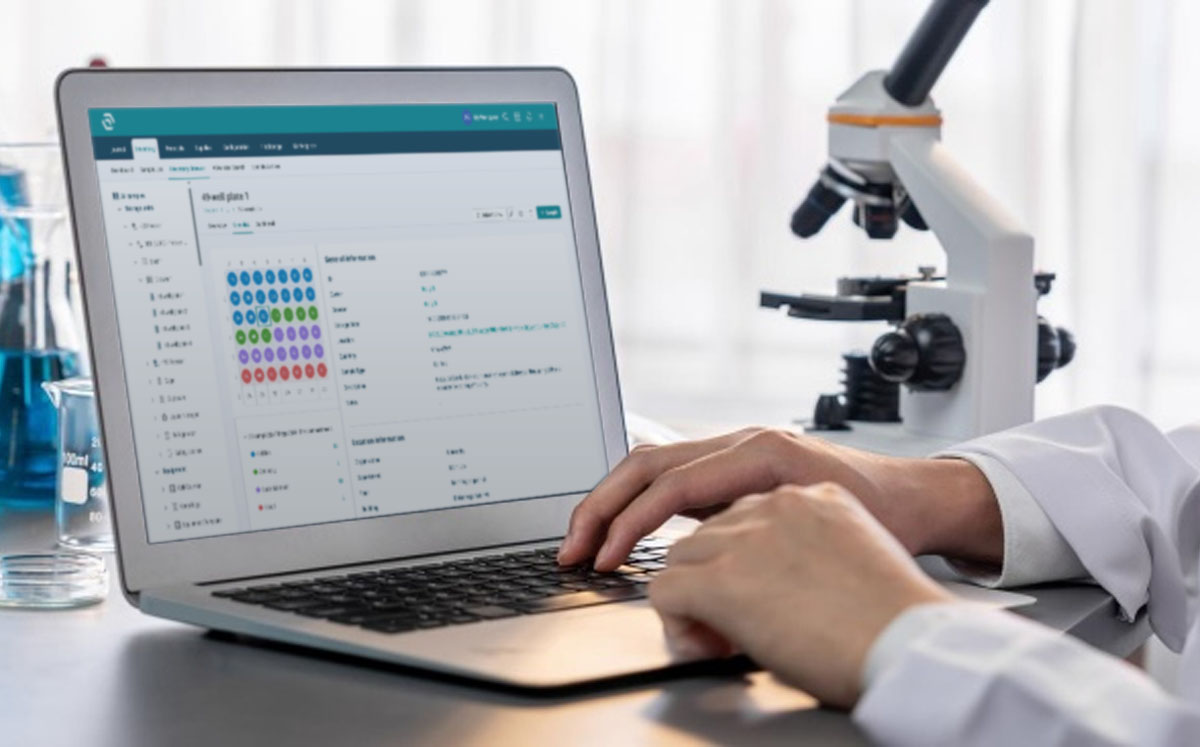
In SciSure Research werden Geräte gemeinsam mit Proben, Inventar und Versuchsdaten verwaltet. Teams können:
- Gerätedatensätze mit Typ, Standort, Verantwortlichen, benutzerdefinierten Spezifikationsfeldern und Dateianhängen erstellen.
- Geräte über einen Reservierungsplaner buchen, der die Verfügbarkeit anzeigt und Terminkonflikte verhindert.
- Validierungs- und Kalibrierungspläne nachverfolgen, inklusive automatischer Benachrichtigungen vor Ablauf der Fristen.
- Nutzungsprotokolle mit Benutzer, Datum, Uhrzeit und Verwendungszweck führen.
- Probleme und Reparaturen erfassen sowie den Status ändern, damit Geräte, die zur Wartung sind, nicht reserviert werden können.
- Audit-Trails für Compliance- und Datenintegritätsanforderungen exportieren.
- Instrumente und Drittanbieter-Tools über Marketplace-Add-ons, die API oder das SDK verbinden, sofern diese Integrationen vorhanden oder entwickelt wurden.
.png)
Arctic Therapeutics, ein isländisches Biotech-Unternehmen, das Arzneimittelentwicklungsprogramme in den Bereichen Alzheimer, Parkinson und seltene Krankheiten durchführt, hat seine Geräteprotokolle mit Proben, Inventar und Experimenten zusammengeführt, nachdem diese zuvor in Tabellenkalkulationen, auf Papier und in einer Vielzahl digitaler Tools verwaltet wurden. Das zehnköpfige Laborteam berichtet von einer Zeitersparnis von etwa zwei Stunden pro Woche bei Registrierungs- und Inventuraufgaben.
Entdecken Sie die Funktionen von SciSure zur Geräteverwaltung oder lesen Sie mehr über die LIMS-Seite der Plattform.
SciSure Health & Safety: Geräte, die Ihr Sicherheitsprogramm zertifizieren muss
SciSure Health & Safety verfolgt einen anderen Ansatz. Es ist auf sicherheitskritische und regulierte Geräte ausgelegt: Sicherheitswerkbänke, Abzüge, Augenspülstationen und Notduschen, Feuerlöscher, Autoklaven, Laser, Röntgengeräte, Messgeräte, Gefrierschränke und ähnliche institutionelle Ausrüstung.
Wo konfiguriert, können EHS-Teams:
- Geräte einer Gruppe oder einem Raum zuweisen, inklusive Standort, Eigentümer, typspezifischen Details und aktuellem Status.
- Audits, Zertifizierungen und Wartungsprotokolle anhängen, ohne den bisherigen Verlauf zu überschreiben.
- Audit-Typen konfigurieren, festlegen, für welche Geräte diese gelten, und bestimmen, wer zu deren Durchführung berechtigt ist.
- Wiederkehrende Audit-Anforderungen erstellen, damit Zertifizierungen nicht unbemerkt ablaufen.
- Massen-Audit-Tools und Verlaufsberichte für große Gerätebestände ausführen.
- Listen institutioneller Geräte filtern und exportieren.

SmartLabs, ein Betreiber von standortübergreifenden Gemeinschaftslaboren, hat SciSure für die Chemikalieninventur, das SDB-Management (Sicherheitsdatenblätter), Inspektionen, Gerätemanagement, Biosicherheit und medizinische Überwachung implementiert. Dies half dem EHS-Team, die Zeit für die Inventarsuche von 15 Minuten auf 1-2 Minuten zu verkürzen, den Abgleich für ein gesamtes Forschungszentrum von einem ganztägigen Aufwand auf nur 20 Minuten zu reduzieren und die Zeit für Inventarberichte von etwa 30 Minuten auf rund eine Minute zu senken. Eine Managerin berichtet, dass sie nur noch halb so viel Zeit für das Erstellen von Berichten und die Durchführung von Inspektionen benötigt, und das Team kann nun Sicherheitsanforderungen raumweise für 729 Laborflächen aufschlüsseln, anstatt alle Räume gleich zu behandeln.
Bitte beachten Sie: SciSure Research und SciSure Health & Safety sind separate Produkte mit separater Lizenzierung. Labore, die beides benötigen, lizenzieren beide Produkte, wobei SciSure Health & Safety derzeit nur in Nordamerika verfügbar ist. Wenn Sie aktuell nur eines dieser Probleme lösen müssen, benötigen Sie auch nur eines.
Häufig gestellte Fragen
Was ist eine Software für das Laborgerätemanagement?
Eine Software, die für jedes Instrument im Labor einen Datensatz führt, der Standort, Verfügbarkeit und Buchungen, Kalibrierungs- und Validierungsdaten, Nutzungshistorie sowie Wartungsprotokolle umfasst, sodass alle Informationen an einem zentralen Ort gespeichert sind und nicht über Tabellenkalkulationen, Kalender und Ordner verstreut sind.
Ist das Gerätemanagement Teil eines LIMS?
Oft ja. Forschungsorientierte LIMS-Plattformen beinhalten in der Regel Geräteaufzeichnungen, Buchungen und die Nachverfolgung von Validierungen, da Geräte Teil desselben operativen Gesamtbildes wie Proben und Inventar sind. Bei traditionellen, produktionsorientierten LIMS-Plattformen variiert dies stärker. Fragen Sie lieber direkt nach, anstatt davon auszugehen, dass es enthalten ist.
Was ist der Unterschied zwischen dem Gerätemanagement in einem LIMS und in einem EHS-System?
Ein LIMS verwaltet Geräte als Forschungsressource: Wer darf sie nutzen, wann sind sie frei, wann wurden sie zuletzt kalibriert und für welche Experimente kamen sie zum Einsatz? Ein EHS-System verwaltet Geräte als Compliance-Verpflichtung: Welche sicherheitskritischen Geräte sind vorhanden, welche Zertifizierungen gelten, wann steht das nächste Audit an und welche Nachweise gibt es für dessen Durchführung?
Kann es bei GxP- oder ISO-Audits helfen?
Es kann sie unterstützen. Kalibrierprotokolle, Nutzungsprotokolle, Audit-Trails und Zugriffskontrollen sind die Nachweise, die Auditoren verlangen. Die Software unterstützt konforme Arbeitsweisen; für Validierung, SOPs, Schulungen, Aufbewahrung und Änderungskontrolle bleibt jedoch Ihre Organisation verantwortlich.
Kann eine Software zur Laborgeräteverwaltung direkt mit Instrumenten verbunden werden?
Manchmal, wobei dies stark vom jeweiligen Instrument abhängt. Manche Verbindungen sind nativ, andere erfolgen über Add-ons und wieder andere erfordern individuelle Anpassungen via API oder SDK. Betrachten Sie die Integrationsliste eines Anbieters als Ausgangspunkt und prüfen Sie Ihre spezifischen Instrumente, bevor Sie den Vertrag unterzeichnen.
Wenn das nach der Unterstützung klingt, die Sie benötigen, dann nehmen Sie Kontakt mit uns auf. Wir zeigen Ihnen gerne, wie sich SciSure Research und SciSure Health & Safety an Ihre Arbeitsabläufe anpassen – und nicht umgekehrt.

Read more of our blogs about modern lab management
Discover the latest in lab operations, from sample management to AI innovations, designed to enhance efficiency and drive scientific breakthroughs.