Papier- vs. elektronische Laborjournale: Ein Leitfaden für Unternehmenslabore
Sie vergleichen Papier-Laborjournale mit elektronischen Laborjournalen für Unternehmenslabore? Erfahren Sie mehr über die entscheidenden Vorteile von ELNs, wie Sie Papieraufzeichnungen modernisieren und wie SciSure Sie bei der Umstellung unterstützt.

Download Whitepaper
TL;DR
Für Unternehmenslabore, die mehrere Teams oder Standorte verwalten, sind elektronische Laborjournale (ELNs) Papierjournalen in jeder relevanten operativen Hinsicht überlegen: Durchsuchbarkeit, Probenrückverfolgbarkeit, standortübergreifende Zusammenarbeit, Einhaltung gesetzlicher Vorschriften und Audit-Bereitschaft.
- Die versteckten Kosten von Papier.
Die wahren Kosten von Papierjournalen liegen in den Stunden, die für die Duplizierung von Aufzeichnungen über verschiedene Formate hinweg aufgewendet werden, in Proben, die nicht bis zu ihrem experimentellen Kontext zurückverfolgt werden können, und in Compliance-Risiken, die sich unbemerkt ansammeln, bis sie bei einem Audit sichtbar werden.
- ELN-Vorteile in großem Maßstab.
ELNs bieten Volltextsuche über Experimente, Protokolle und Metadaten hinweg; automatische Audit-Trails mit Zeitstempeln und Benutzerverfolgung; digitale Signaturen und gesperrte Datensätze sowie strukturierte Vorlagen, die Konsistenz über Teams und Standorte hinweg gewährleisten, ohne den administrativen Aufwand zu erhöhen.
- Proben- und Datenrückverfolgbarkeit.
Eine vernetzte ELN- und LIMS-Plattform wie SciSure verknüpft jede Probe mit ihrem Lagerort, dem experimentellen Datensatz und ihrer Historie. Dies ersetzt fehleranfällige Tabellenkalkulationen und eliminiert das implizite Wissen, das verloren geht, wenn ein Forscher das Unternehmen verlässt.
- Integrierte Compliance.
Regulatorische Rahmenbedingungen wie 21 CFR Part 11, die NIH Data Management and Sharing Policy und die FAIR-Prinzipien erfordern strukturierte, nachvollziehbare und prüfbare Aufzeichnungen. Papierjournale waren nie dafür ausgelegt, diese Erwartungen auf Unternehmensebene zu erfüllen. ELNs hingegen schon.
- Phasenweise Modernisierung.
Unternehmenslabore können Papieraufzeichnungen modernisieren, ohne die laufende Forschung zu unterbrechen, indem sie bestehende Arbeitsabläufe abbilden, zuerst aktive Studien migrieren, wiederverwendbare Experimentvorlagen erstellen und eine strukturierte 90-Tage-Einführung mit klaren Akzeptanzkennzahlen durchführen.
Dieser Beitrag wurde ursprünglich 2024 verfasst und wurde aktualisiert, um die Unternehmenspositionierung von SciSure, aktuellere und relevante regulatorische Standards sowie neue Kundennachweise von Kaigene widerzuspiegeln.
Ready to see SciSure in action?
No commitment · Free consultation
Wenn Sie eine große wissenschaftliche Einrichtung leiten, haben Sie das Thema Papiernotizbücher wahrscheinlich eher geerbt als gewählt. Vielleicht nutzen die Hälfte Ihrer Labore noch Notizbücher. Vielleicht ist ein Digitalisierungsprojekt vor zwei Jahren ins Stocken geraten. Vielleicht haben Sie für einige Arbeitsabläufe ein elektronisches Laborjournal (ELN), für andere jedoch nicht, und die Lücken beginnen sich bei Audits oder Einarbeitungszeiten bemerkbar zu machen.
Falls ja, ist dieser Beitrag für Sie. Es ist ein praktischer Vergleich von Papier- und elektronischen Laborjournalen aus der Perspektive des betrieblichen Labormanagements geschrieben, kein theoretischer Überblick. Sie finden einen direkten Vergleich dessen, was sich bei der Umstellung ändert, eine Aufschlüsselung der wichtigsten Vorteile elektronischer Laborjournale für komplexe Einrichtungen und einen realistischen Blick darauf, wie Unternehmenslabore Papieraufzeichnungen modernisieren, ohne die laufende Forschung zu stoppen.
Der regulatorische Hintergrund ist ebenfalls erwähnenswert. Die NIH Data Management and Sharing Policy, die FAIR-Prinzipienund 21 CFR Part 11 erzeugen alle Druck in Richtung strukturierter, nachvollziehbarer und prüfbarer Forschungsaufzeichnungen. Papiernotizbücher wurden nie dafür entwickelt, diese Erwartungen in großem Maßstab zu erfüllen, ELNs hingegen schon.
Die Scientific Management Platform (SMP) von SciSure genießt das Vertrauen von über 550.000 Wissenschaftlern in mehr als 55.000 Laboren weltweit. Buchen Sie eine kostenlose Demo um zu sehen, wie sie für Unternehmenslabore funktioniert.
Vergleich von Papier- und elektronischen Laborjournalen: Was sich tatsächlich ändert
Die ehrliche Antwort auf diese Frage lautet: mehr als die meisten Leute erwarten, und zwar in Richtungen, die im Unternehmensmaßstab eine größere Rolle spielen. Papiernotizbücher funktionieren gut für einzelne Wissenschaftler die ihre täglichen Beobachtungen protokollieren. Das Problem entsteht, wenn diese individuellen Aufzeichnungen als Teil eines organisatorischen Systems funktionieren müssen. Dann summieren sich die Einschränkungen.
Hier erfahren Sie, was sich in den für Einrichtungen mit mehreren Laboren oder Standorten entscheidenden Bereichen ändert:
Der obige Vergleich soll Papier nicht gänzlich abwerten. Für einen einzelnen Forscher mit einem einzigen Projekt und ohne Compliance-Auflagen funktioniert ein Papiernotizbuch einwandfrei. Die Probleme treten erst bei zunehmender Größe auf. Wenn Sie Dutzende von Wissenschaftlern in mehreren Teams verwalten, sich mit externen Partnern abstimmen und sich auf behördliche Prüfungen vorbereiten müssen, werden die Lücken der papierbasierten Dokumentation zu betrieblichen Risiken.
Was sind die wichtigsten Vorteile eines elektronischen Laborbuchs (ELN) für Unternehmenslabore?
Die Vorteile eines elektronischen Laborbuchs, die für Laborleiter am wichtigsten sind, stehen nicht immer auf der Funktionsseite eines Anbieters. Hier ist eine praxisnähere Analyse.
Durchsuchbare Aufzeichnungen, für die man niemanden fragen muss
Wie oft ein Wissenschaftler einen Kollegen suchen muss, um ein früheres Experiment zu finden, ist ein echtes Maß für die Funktionalität Ihrer Dokumentation. Papiernotizbücher machen institutionelles Wissen anfällig: Es ist an die Person gebunden, nicht an das System. Ein ELN speichert jedes Experiment in einem strukturierten, durchsuchbaren Format. Sie können ein Protokoll, eine Proben-ID, ein Ergebnis oder eine Entscheidung (nach Stichwort, Datum, Benutzer oder Projekt) finden, ohne jemanden fragen zu müssen.
Compliance, die in den Arbeitsablauf integriert ist, statt nachträglich hinzugefügt zu werden
Compliance in papierbasierten Laboren ist weitgehend rekonstruktiv. Wenn ein Audit ansteht, muss jemand Notizbücher zusammensuchen, Tabellenkalkulationen abgleichen und einen Zeitplan zusammenstellen. Das ist zeitaufwendig, fehleranfällig und stressig.
ELNs machen Compliance zu einem kontinuierlichen Prozess. Automatische Zeitstempel, digitale Signaturen, Zeugenunterschriften und gesperrte Datensätze liefern Ihrem Compliance-Team die benötigten Informationen ohne manuelle Rekonstruktion. Für Labore, die den Anforderungen von 21 CFR Part 11 oder GxP-Richtlinienunterliegen, ist dies grundlegend. Für Labore, die nicht formell reguliert sind, beantwortet es dennoch die wichtigsten Fragen: Wer hat was wann getan und was wurde geändert?
Standortübergreifende Zusammenarbeit ohne Koordinationsaufwand
Die Verwaltung von Forschungsprojekten an mehreren Standorten mit Papiernotizbüchern bedeutet, dass immer jemand auf Informationen wartet. Ein ELN bietet jedem autorisierten Teammitglied Echtzeitzugriff auf Experimente, Protokolle und Probendaten. Forscher an verschiedenen Standorten können gemeinsam dokumentieren, kommentieren und zusammenarbeiten, ohne Dateien per E-Mail zu versenden oder Aufzeichnungen in freigegebene Laufwerke zu kopieren.
Rückverfolgbarkeit von Proben von der Erstellung bis zur Lagerung und Verwendung
Verlorene Proben, falsch beschriftete Behälter und unterbrochene Nachweise sind kostspielige Probleme in der Forschung. Die papierbasierte Probenverfolgung bedeutet in der Regel einen Gefrierplan an der Wand, eine Tabelle, die gelegentlich aktualisiert wird, und viel informelles Wissen. Wenn ein Forscher das Unternehmen verlässt, geht dieses Wissen oft mit ihm verloren.
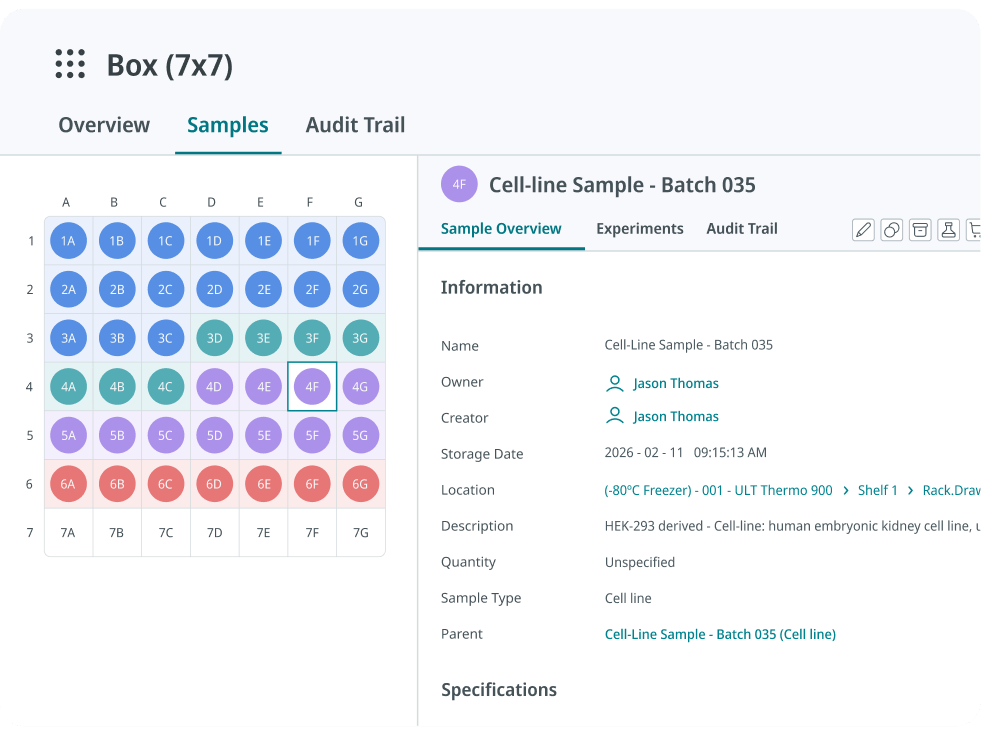
Ein ELN mit integrierten Funktionen für das Laborinformationsmanagement (LIMS) verknüpft jede Probe mit den Experimenten, in denen sie verwendet wurde, ihrem Lagerort und den zugehörigen Metadaten. SciSure verknüpft Experimente automatisch mit Proben, Reagenzien und Verbrauchsmaterialien, sodass Sie die Rückverfolgbarkeit von der Erstellung bis zur Verwendung ohne zusätzlichen manuellen Aufwand sicherstellen können.
Reproduzierbarkeit über Teams und Zeiträume hinweg
Reproduzierbarkeit ist die Grundlage wissenschaftlicher Glaubwürdigkeit – und Papier-Laborbücher sind dafür nicht ausgelegt. Wenn ein Protokoll nur handschriftlich in einem Laborbuch im Regal existiert, kann ein neues Teammitglied die Arbeit kaum reproduzieren, ohne dass der ursprüngliche Autor sie persönlich einweist.
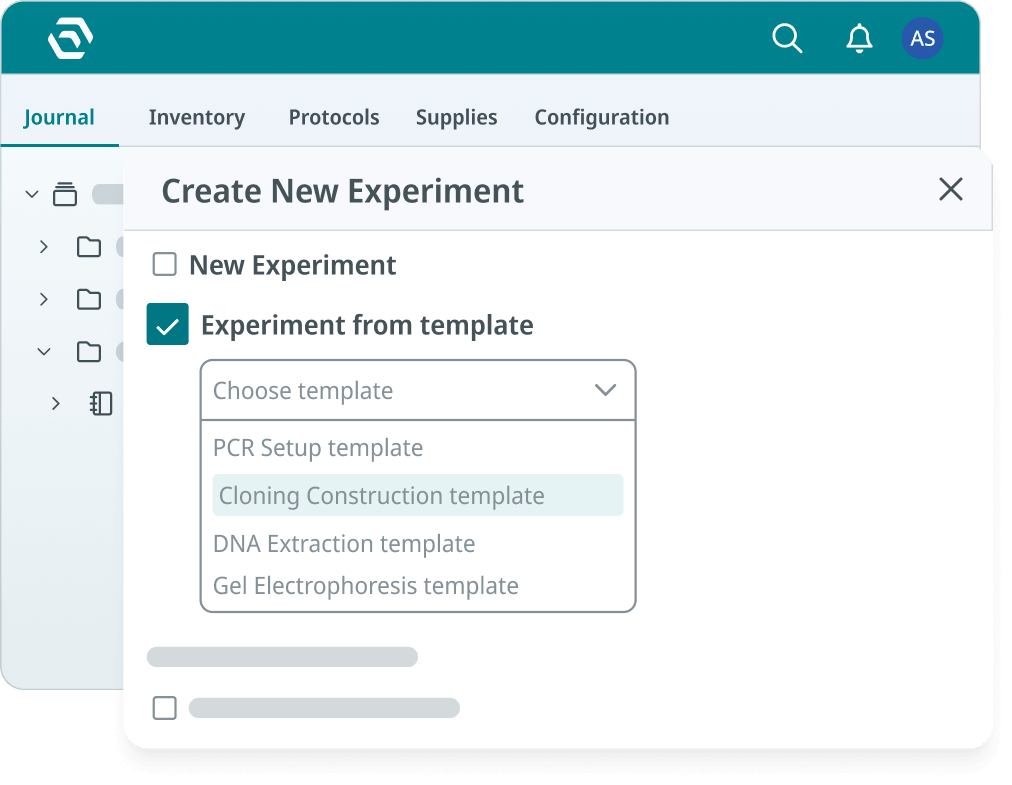
ELN-Vorlagen hingegen sind von Grund auf auf Reproduzierbarkeit ausgelegt. Ein Forschender öffnet eine Vorlage, folgt den strukturierten Feldern, verknüpft die entsprechenden Proben und erstellt einen Datensatz, den der nächste Wissenschaftler selbst Monate oder Jahre später öffnen, verstehen und reproduzieren kann. Genau darauf zielen die FAIR-Prinzipien ab: Daten sollen auffindbar (Findable), zugänglich (Accessible), interoperabel (Interoperable) und wiederverwendbar (Reusable) sein.
Hier ist ein Beispiel für eine Experimentvorlage, die Sie mit dem SciSure ELN erstellen können:
Wie modernisieren Unternehmenslabore ihre Papieraufzeichnungen mit einem elektronischen Laborbuch?
Das ist die entscheidende Frage, wenn Sie bereits eine große, aktive Einrichtung betreiben. Die ehrliche Antwort lautet: sorgfältig, in Phasen und beginnend mit den Aufgaben, die Ihre Wissenschaftler spürbar ausbremsen.
Beginnen Sie mit einer Bestandsaufnahme
Bevor Sie migrieren, müssen Sie verstehen, wovon Sie migrieren. Die meisten Unternehmenslabore stellen fest, dass sie nicht nur ein Dokumentationssystem haben, sondern fünf: Papier-Laborbücher, Excel-Tabellen zur Probenverfolgung, Netzlaufwerke, Protokoll-PDFs ohne Versionskontrolle, Ausgabeordner von Geräten auf lokalen Rechnern – und einige Mitarbeiter, die als menschliche Datenbanken fungieren.
Erfassen Sie diese Abhängigkeiten, bevor Sie auch nur einen einzigen Datensatz anfassen. Konkret sollten Sie Folgendes wissen:
- Welche Aufzeichnungen sind am schwersten zu finden und warum?
- Welche Proben werden am ehesten falsch identifiziert oder gehen verloren?
- Welche Arbeitsabläufe wiederholen sich wöchentlich und würden von standardisierten Vorlagen profitieren?
- Welche Datensätze erfordern eine Überprüfung, Unterschriften oder Audit-Trails?
- Welche Teams benötigen Zugriff auf gemeinsam genutzte Daten und welche Datensätze sollten eingeschränkt bleiben?
Dieser Mapping-Schritt zeigt auch Ihre Implementierungsverantwortlichen auf. Ein praxisorientiertes Unternehmensteam sollte eine wissenschaftliche Leitung, eine Labor- oder Betriebsleitung, einen IT- oder Systemverantwortlichen, gegebenenfalls eine QA- oder Compliance-Fachkraft sowie wichtige Anwender aus jedem Team umfassen.
Strukturieren Sie Ihr ELN, bevor die Wissenschaftler mit der Erstellung von Datensätzen beginnen
SciSure organisiert Forschungsarbeiten in einer vierstufigen Hierarchie: Gruppe → Projekt → Studie → Experiment. Diese Struktur ist jedoch nur dann nützlich, wenn Ihr Team vor dem Go-Live entscheidet, wie sie genutzt werden soll.
Wählen Sie Namenskonventionen, die Wissenschaftler ohne Rätselraten befolgen können. Eine Projekt-ID, ein aussagekräftiger Name und ein Datum bringen Sie weiter als „Janes Assay“ oder „final v3“. Nutzen Sie benutzerdefinierte Felder für Projekte und Studien, um Förder-IDs, Kooperationsvereinbarungen oder Publikationskennungen zu erfassen. Dies macht Datensätze bei Audits, der Manuskripterstellung oder der Überprüfung geistigen Eigentums weitaus nützlicher.
Migrieren Sie selektiv, nicht umfassend
Nicht alles muss zu aktiven, strukturierten Daten werden. Ein Papiernotizbuch aus dem Jahr 2015 muss vielleicht indexiert und abrufbar sein, aber die Umwandlung jeder Seite in einen bearbeitbaren ELN-Datensatz verursacht Kosten, ohne einen täglichen Mehrwert zu bieten.
Verwenden Sie diesen Drei-Stufen-Ansatz:
Führen Sie einen phasenweisen Rollout mit konkreten Erfolgskennzahlen durch
Die ersten 90 Tage der ELN-Implementierung sollten von der Analyse über die Pilotphase bis hin zur kontrollierten Erweiterung führen. Beginnen Sie mit einem Team oder einem wiederkehrenden Arbeitsablauf, nicht mit der gesamten Einrichtung. Dies hilft Ihnen dabei, die Funktionalität von Vorlagen, Probenverknüpfungen, Berechtigungen und Schulungen zu belegen, bevor Sie skalieren.
Konzentrieren Sie sich auf diese konkreten Erfolgskennzahlen:
- Anzahl der aktiven Benutzer, die einen vollständigen Experimentdatensatz erstellt haben
- In Vorlagen umgewandelte, wiederkehrende Arbeitsabläufe
- Priorisierte Proben mit bestätigten Metadaten und Lagerort
- Alte Tabellenkalkulationen oder Notizbücher, die außer Betrieb genommen oder archiviert wurden
- Durchschnittliche Zeit zum Auffinden eines früheren Experiments, Protokolls oder einer Probe
Wenn Wissenschaftler nach der Einführung weiterhin eigene Tabellenkalkulationen führen, sollten Sie dies als Signal verstehen. Meistens fehlt dann ein Feld, ein Filter oder eine Vorlage – es bedeutet nicht, dass bei der Einführung etwas schiefgelaufen ist.
Welches ELN eignet sich am besten für die Datenverwaltung über mehrere Labore oder Standorte hinweg?
Für Unternehmen, die Daten über mehrere Labore oder Standorte hinweg verwalten, ist die wichtigste Frage, welches ELN als einheitliche operative Basis fungieren kann und nicht nur als reine Dokumentationsschicht. Ein eigenständiges ELN, das keine Verbindung zu Probenverfolgung, Inventar, Compliance-Workflows oder Gerätedaten herstellt, führt zwangsläufig zu fragmentierten Aufzeichnungen.
Die Scientific Management Platform von SciSure vereint ELN- und LIMS-Funktionen in einer vernetzten Umgebung. Experimente sind direkt mit Proben, Reagenzien, Lagerorten und Ergebnissen verknüpft. Compliance-Kontrollen (rollenbasierte Berechtigungen, digitale Signaturen, Audit-Trails und strukturierte Workflows) sind fest in die Plattform integriert, statt nur nachträglich aufgesetzt zu werden.
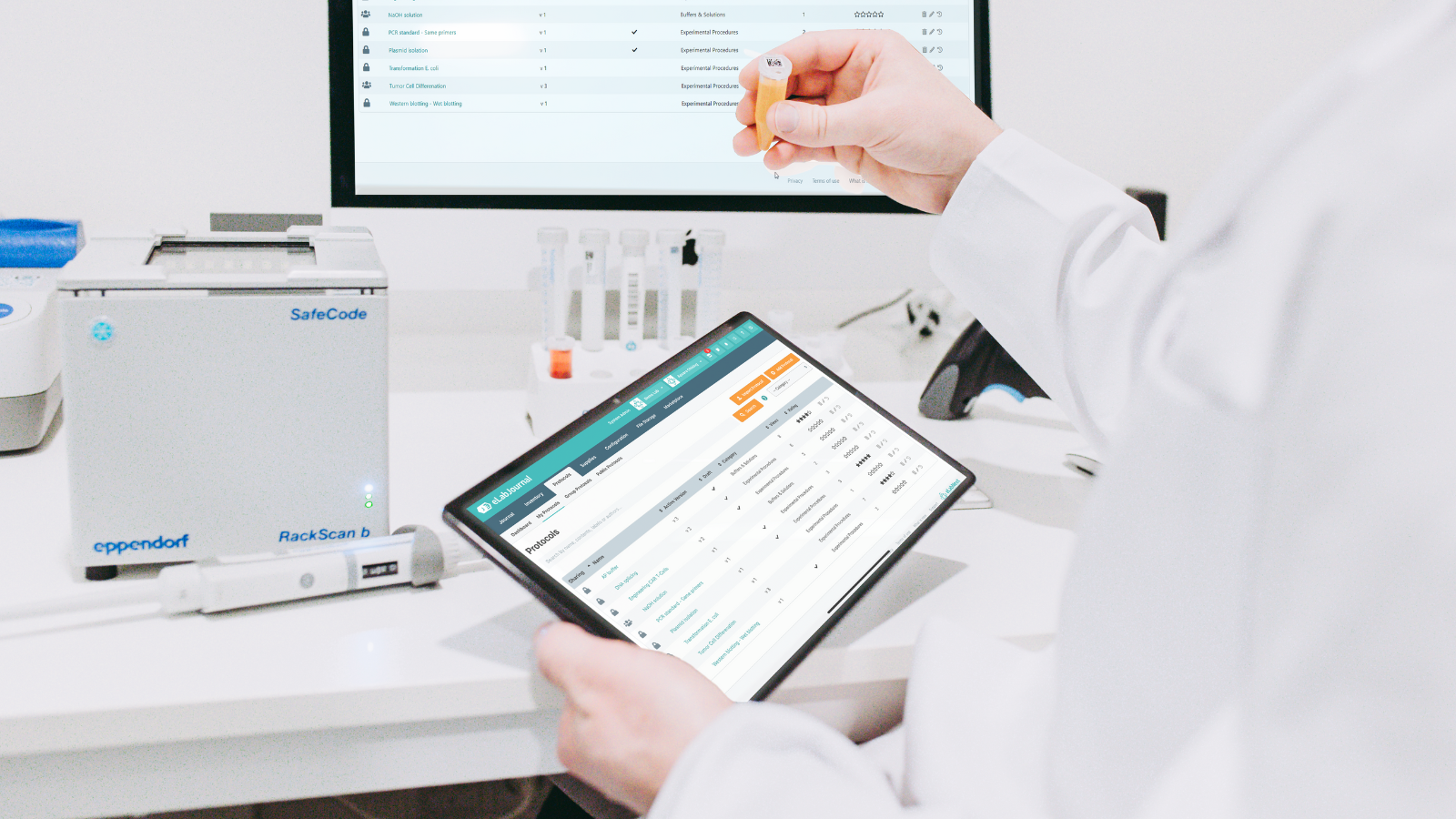
Für IT-Leiter und Verantwortliche für die digitale Transformation: SciSure lässt sich in Cloud-, Private-Cloud- oder On-Premise-Umgebungen bereitstellen. Es integriert sich über APIs in bestehende Systeme und unterstützt Single Sign-On via Microsoft Entra ID, Okta und andere SAML-kompatible Identitätsanbieter. Die Funktionalität lässt sich erweitern durch den SciSure Marketplace, der Produktivitätstools, Reporting-Integrationen, KI-gestützte Funktionen und Unterstützung für Biobanking umfasst.
Die Entscheidung läuft auf Folgendes hinaus: Wenn Ihr Unternehmen Forschungsdaten über mehrere Teams hinweg steuern, die Rückverfolgbarkeit von Proben in großem Maßstab sicherstellen und jederzeit Audit-Bereitschaft nachweisen muss, benötigen Sie eine Plattform, die genau für diese Anforderungen entwickelt wurde. Die ELN- und LIMS-Funktionen von SciSure sind speziell darauf ausgelegt, diese Anforderungen zu erfüllen.
Wie steil ist die Lernkurve für Wissenschaftler beim Umstieg von Papier auf elektronische Laborbücher?
Wissenschaftler, die jahrelang mit Papiernotizbüchern gearbeitet haben, sind von Natur aus vorsichtig, da eine Änderung der Dokumentationsweise bei laufender Forschung echte Risiken birgt, falls während eines Experiments etwas schiefgeht. Der Übergang gelingt am besten, wenn er sich an vertrauten Arbeitsabläufen orientiert und nicht an abstrakten Schulungen. Hier sind einige Möglichkeiten, wie Sie den Umstieg unterstützen können.
Schulen Sie rollen- und workflowbasiert, nicht anhand von Funktionslisten.
Ein Laborwissenschaftler muss wissen, wie man ein Experiment aus einer Vorlage startet, Proben verknüpft, eine Datendatei anhängt und zur Überprüfung einreicht. Ein Laborleiter muss wissen, wie man Probendatensätze aktualisiert, Lagerorte einrichtet und Suchanfragen durchführt. Ein Prüfer muss wissen, wie man ein abgeschlossenes Experiment kontrolliert und es signiert oder gegenzeichnet. Jeder dieser Punkte ist ein kurzer, konkreter Arbeitsablauf und keine dreistündige Funktionsübersicht.
Erstellen Sie Vorlagen auf Basis von Experimenten, die Wissenschaftlern bereits vertraut sind.
Mit SciSure können Sie Experimentvorlagen von Grund auf neu erstellen oder sie aus früheren Experimenten ableiten. Für Teams, die von Papier auf digitale Lösungen umsteigen, ist der schnellste Weg zur Akzeptanz eine Vorlage, die ihre bisherigen Notizbücher widerspiegelt – also mit denselben Abschnitten, Feldern und Abläufen, jedoch strukturiert für bessere Durchsuchbarkeit und Compliance.
Planen Sie eine Übergangsphase ein.
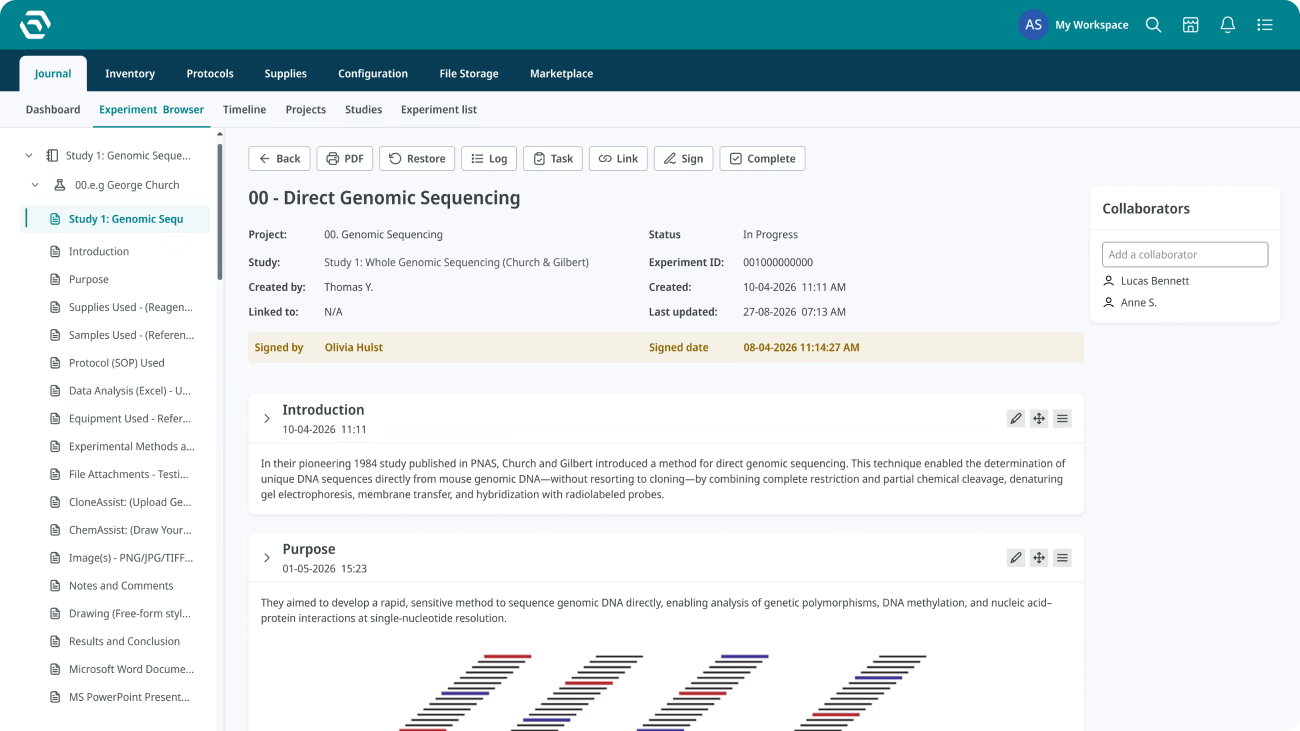
Die meisten Labore führen während der Einführung eine Zeit lang sowohl Papierunterlagen als auch das ELN parallel. Das ist völlig normal. Ziel ist es, den papierbasierten Arbeitsablauf schrittweise abzulösen, sobald sich das ELN als effizienter erweist, und keinen erzwungenen Umstieg über Nacht zu erzwingen. Das Pilotprojekt ist erfolgreich, wenn Wissenschaftler das ELN freiwillig als Erstes öffnen.
Sorgen Sie auch nach dem Go-Live für sichtbare Unterstützung.
Nutzer, die wissen, an wen sie sich bei Fragen wenden können (und darauf vertrauen, dass Feedback zu Verbesserungen führt), nehmen das System schneller an. Die Akzeptanz steigt, wenn eine verantwortliche Person auftretende Hürden analysiert und die Vorlagen oder Konfigurationen entsprechend anpasst.
Fraunhofer IZI: Vom Papier zur vernetzten Labordokumentation mit SciSure
Am Fraunhofer-Institut für Zelltherapie und Immunologie IZI in Leipzig erschwerten Papierlaborbücher die Organisation und Nutzung von Forschungsdaten. Die Archive enthielten Informationen aus mehreren Jahrzehnten. Einzelne Ergebnisse darin wiederzufinden, war zeitaufwendig.
Im Forschungsalltag zeigte sich eine weitere Herausforderung: Forschende arbeiteten an mehreren Projekten gleichzeitig, dokumentierten diese jedoch häufig in einem einzigen Laborbuch. Das erschwerte die Zuordnung von Experimenten und den Austausch im Team.
Mit SciSure, damals eLabNext, konnte das Fraunhofer IZI seine Projekte klarer strukturieren und Forschungsdaten leichter zugänglich machen. Nach dem Umstieg konnten die Teams:
- Experimentelle Daten über die Suchfunktion schneller finden und gemeinsam nutzen.
- Proben direkt mit Experimenten verknüpfen und wiederholte Angaben zu Chargennummern reduzieren.
- Ergebnisse und Protokolle digital nutzen und dadurch Ausdrucke einsparen.
Die Probenverfolgung half auch bei der Fehlersuche: Das Institut konnte eine Kontamination erkennen, indem es die Probe identifizierte, die in allen fehlgeschlagenen Experimenten verwendet worden war.
Sabrina Rau, Wissenschaftlerin und wissenschaftliche Koordinatorin für die ELN-Einführung, beschreibt einen Vorteil im Kundenbericht des Fraunhofer IZI:
„Die Software von eLabNext hilft uns, Zeit zu sparen, indem wir unsere Protokolle einfach mit Kollegen teilen können.“
Aus dieser Erfahrung lässt sich eine praktische Empfehlung für andere Forschungseinrichtungen ableiten: Beginnen Sie dort, wo die Dokumentation Ihre Teams täglich ausbremst. Wie schnell lässt sich ein früheres Ergebnis finden? Müssen dieselben Probeninformationen mehrfach eingetragen werden? Können Kollegen auf die benötigten Protokolle zugreifen? Diese Fragen helfen, den Umstieg auf ein elektronisches Laborbuch an konkreten Arbeitsabläufen auszurichten und seinen Nutzen im Alltag sichtbar zu machen.
Wechseln Sie zu einer strukturierten Labordokumentation
Das Argument für elektronische Laborjournale in Unternehmensumgebungen ist keine Frage der persönlichen Vorliebe für ein bestimmtes Format. Papier-Laborjournale wurden nie dafür entwickelt, standortübergreifende Zusammenarbeit, regulatorische Compliance, Probenrückverfolgbarkeit oder durchsuchbares institutionelles Wissen zu unterstützen – ELNs hingegen schon.
Die praktische Frage ist, wie der Umstieg auf ein ELN gelingt, ohne die laufende Forschung zu unterbrechen. Das bedeutet: Erstellen Sie einen klaren Plan Ihrer aktuellen Dokumentationslandschaft, führen Sie eine phasenweise Implementierung durch, migrieren Sie selektiv und schulen Sie die Wissenschaftler in den Arbeitsabläufen, die sie bereits täglich nutzen.
Wenn Ihr Unternehmen mit fragmentierten Aufzeichnungen, Compliance-Risiken oder dem wachsenden Druck zu kämpfen hat, die Datenintegrität über Teams hinweg nachzuweisen, ist jetzt der richtige Zeitpunkt für den Wechsel – noch vor dem nächsten Audit, nicht erst danach.
Buchen Sie eine SciSure-Demo, um zu sehen, wie die Scientific Management Platform von SciSure Sie bei Ihrem Umstieg unterstützen kann – von der Implementierungsplanung über die Datenmigration bis hin zum Go-Live.
FAQ: Papier-Laborjournale vs. elektronische Laborjournale für Unternehmenslabore
Was ist der Hauptunterschied zwischen einem Papier-Laborjournal und einem elektronischen Laborjournal?
Ein physisches Laborbuch ist eine analoge Aufzeichnung experimenteller Beobachtungen. Ein elektronisches Laborbuch (ELN) ist ein strukturiertes digitales System zur Dokumentation, Organisation und zum Abruf von Forschungsdaten. ELNs bieten automatische Zeitstempel, Suchfunktionen, Versionskontrolle, digitale Signaturen sowie die Integration in Probenverfolgung und Bestandsverwaltung – Funktionen, die in Papierform auf Unternehmensebene nicht umsetzbar sind.
Warum nutzen Unternehmenslabore trotz der Existenz von ELNs immer noch Papier-Laborbücher?
Papier-Laborbücher halten sich aus verschiedenen Gründen: Gewohnheit, minimale Einrichtungskosten und die Unabhängigkeit von der technischen Infrastruktur. Manche Wissenschaftler bevorzugen das haptische Erlebnis des handschriftlichen Schreibens. Für kleine oder informelle Forschungsprojekte reicht Papier aus. Die Grenzen werden jedoch auf Unternehmensebene kritisch, wo Durchsuchbarkeit, Zusammenarbeit, Compliance und die Rückverfolgbarkeit von Proben über Teams, Standorte und Zeiträume hinweg entscheidend sind.
Wie unterstützen elektronische Laborbücher die Einhaltung gesetzlicher Vorschriften in einer großen Einrichtung?
ELNs führen automatische Audit-Trails, einschließlich Zeitstempeln und Benutzerprotokollierung für jeden Eintrag und jede Änderung. Sie unterstützen digitale Signaturen, Zeugenunterschriften, gesperrte Datensätze und rollenbasierte Zugriffskontrollen. Plattformen wie SciSure sind darauf ausgelegt, regulatorische Anforderungen zu erfüllen, einschließlich 21 CFR Part 11, ISO- und GxP-Standards. Das bedeutet, dass Compliance ein kontinuierlicher Zustand ist und nicht erst mühsam vor einem Audit rekonstruiert werden muss.
Wie lange dauert die Implementierung eines ELN in einem bestehenden Unternehmenslabor?
Die meisten Labore können SciSure innerhalb weniger Tage nutzen, dank geführter Onboarding-Prozesse und von Anfang an verfügbarer, konfigurierbarer Vorlagen. Ein vollständiger Rollout im Unternehmen, der mehrere Teams, Datenmigration, Berechtigungskonfiguration und die Entwicklung von Vorlagen umfasst, folgt in der Regel einem phasenweisen Plan über 60 bis 90 Tage. Der Zeitplan hängt vom Umfang der historischen Daten, der Anzahl der beteiligten Teams und der Komplexität der bestehenden Arbeitsabläufe ab.
Kann ein ELN auch Tabellenkalkulationen und freigegebene Laufwerke ersetzen und nicht nur Papier-Laborbücher?
Ja. Ein ELN wie SciSure ersetzt das gesamte fragmentierte Dokumentations-Ökosystem: Papier-Laborbücher, Excel-Listen, Ordner auf freigegebenen Laufwerken, Protokoll-PDFs und informelles Wissen, das nur bei einzelnen Forschern liegt. Das Ziel ist eine einzige, durchsuchbare und nachvollziehbare Quelle der Wahrheit für die gesamte Forschungsdokumentation, nicht nur der Ersatz für einen einzelnen Teil des aktuellen Flickenteppichs.
Welches ELN eignet sich am besten für die Datenverwaltung über mehrere Labore oder Standorte hinweg?
Wählen Sie eine ELN-Plattform, die als einheitliche operative Infrastruktur fungieren kann und nicht nur als reines Dokumentationstool. Die Scientific Management Platform von SciSure verbindet die Experimentdokumentation mit Probenverfolgung, Bestandsverwaltung, Compliance-Workflows und Integrationen in einer kontrollierten Umgebung. Sie lässt sich in der Cloud, in einer Private Cloud oder lokal (on-premises) bereitstellen und unterstützt den standortübergreifenden Zugriff mit rollenbasierten Berechtigungen und Single Sign-On. Diese Kombination aus vernetzten Daten, strukturierter Governance und flexibler Bereitstellung ist genau das, was Unternehmenseinrichtungen für die Verwaltung ihrer Daten in großem Maßstab benötigen.
Wie helfen Sie Wissenschaftlern dabei, die Hemmschwelle beim Umstieg von Papier- auf elektronische Laborjournale zu überwinden?
Erstellen Sie ELN-Vorlagen, die die Arbeitsabläufe widerspiegeln, die Wissenschaftler bereits auf Papier nutzen. Schulen Sie rollen- und aufgabenbezogen, nicht funktionsbezogen. Beginnen Sie mit den Workflows, bei denen die Vorteile des ELN sofort spürbar sind: schnellere Probensuche, einfachere Datenabfrage und übersichtlichere Genehmigungsprozesse. Führen Sie das System schrittweise ein, damit die Wissenschaftler nicht gezwungen sind, das Papier aufzugeben, bevor sie dem neuen System vertrauen. Und sorgen Sie für sichtbare Unterstützung: Wenn Forscher merken, dass ihr Feedback zu Verbesserungen führt, steigt die Akzeptanz.
Mehr erfahren:
- So wählen Sie ein datensicheres ELN aus und schützen das geistige Eigentum Ihres Unternehmens
- Warum die Einführung von ELN/LIMS auf Unternehmensebene scheitert – und was das Management anders machen muss
- Best Practices für elektronische Laborjournale: Was Sie nach der Implementierung eines ELN tun sollten
- Implementierung eines elektronischen Laborjournals (ELN) in einem neuen Labor: Eine Schritt-für-Schritt-Anleitung
- Der Wechsel von einem anderen ELN: Eine praktische Migrationsstrategie für Forschungslabore
- 6 Hindernisse bei der Einführung elektronischer Laborjournale (ELN) und wie Sie Ihr Forschungsteam bei der Überwindung unterstützen können
- GxP-Richtlinien: GLP- und GMP-Konformität für elektronische Laborjournale (ELNs)
- Kostenlose Software für elektronische Laborjournale: Lohnt sich das?

Read more of our blogs about modern lab management
Discover the latest in lab operations, from sample management to AI innovations, designed to enhance efficiency and drive scientific breakthroughs.